
Why does anyone do anything ever?
The ABCs of behavior.

Hello, Cat People!
Greetings from the depths of the best week of the year, the velvety stretch of time from Christmas to New Year’s. I love New Year’s, and I love the surge of energy I get from the beginning of January, and it’s made even sweeter by the “no rules just right” vibe of these few days. This is a time when I feel externally compelled to nap and read and watch Below Deck, as though the year itself is an anchor and I have no choice but to follow it to the bottom of the sea.
Given that it’s Resolution Season, and many of us are going to embark on attempts to Do Stuff, I thought it might be fun to write about why any animal does anything. Not just cats - these principles apply to humans, dogs, parrots, nematodes, you name it. We’re gonna talk about the ABCs of behavior.
First, let’s define behavior: a behavior is an action performed by a living being in response to a stimulus or situation. Behaviors can be voluntary or involuntary (like a reflex), active or reactive, overt (e.g. an explicit action like a dog barking) or covert (e.g. memory or perception). Behavior has to be observable in some way; if it’s a covert behavior, it can be observed through actions. For example, if I avoid a dark spot on the sidewalk, that is observable evidence that I see the spot and think it might be black ice (both of which are covert behaviors).
All behavior for any animal serves one of two functions:
To get something
To get away from something
If you look at what you do throughout a day, you’ll notice that your actions align with one of those goals. Here are some examples from my day so far:
I felt thirsty, so I took a drink of water to get away from the feeling of thirst
I felt frustrated with this Substack, so I turned on Below Deck to get away from the difficulty of doing something challenging
I thought of my husband, so I texted him to get a feeling of connection
I wanted to move my muscles, so I worked out to get stronger and feel good
The same is true for other animals. For example:
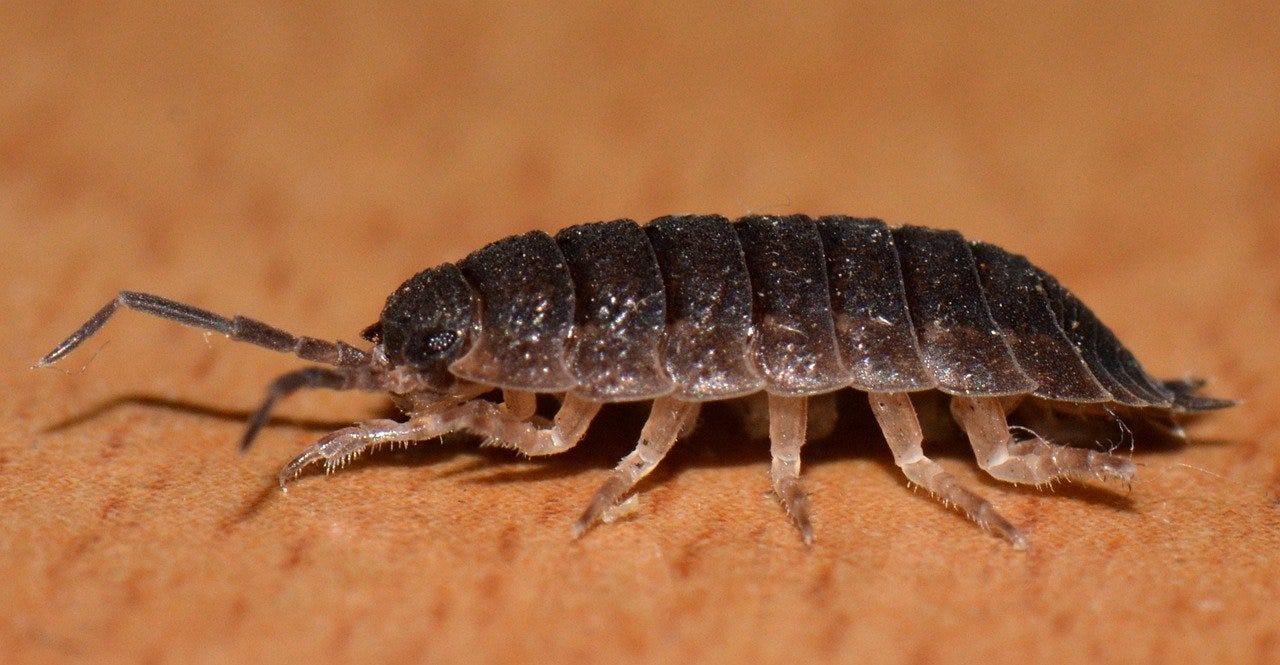
Wood lice have a humidity-seeking reflex - they reflexively move to the most humid area they can find to get away from drying out.
Maggots have light-sensitive receptors on their heads that trigger them to turn and get away from from bright lights
Squirrels instinctively attempt to bury nuts (even if no dirt is available) and tamp down the earth to get (build) a food store
Cats scratch things to get emotional/psychological comfort, to get a nice stretch, to get nail maintenance, and to get important messages to other cats who may be in the area (in the form of scent deposits & visible scratches)
All of those things - the outcomes of performing a behavior - are consequences. The consequence of drinking water is I no longer feel thirsty. The consequence for the wood lice of moving to a more humid area is they stay moist and don’t dry out (something that can happen very quickly). The consequence of my cat scratching her post is a nice stretch. Those consequences shape future behavior - I’m going to keep drinking water, because the outcome was desirable. Frankie is going to continue stretching on her post, because it felt good. The wood louse is going to continue moving to humid areas, because it is a kinetic reflex and they don’t really have a choice but also, because they didn’t dry out and die.
So if we diagram out those behaviors, we can see three parts:
Antecedent: The stimulus or situation that preceded the behavior (In the case of my water drinking, I was thirsty)
Behavior: The action taken (I drank water)
Consequence: The outcome (I’m not thirsty anymore)
These are the ABCs of behavior, and it’s where we start when we’re trying to figure out how to shift an animal’s behavior.
Can you apply this to your own cat? (Or yourself?)
I hear all the time from people that their cat does things “for no reason” or “totally randomly”. Because I’m a buzzkill, I tell people that totally random behavior does happen, but it’s usually a result of a neurological or other medical issue. It’s both extremely rare and extremely serious, and often ends in euthanasia. So before we jump to the conclusion that the behavior is truly causeless, let’s do everything we can to identify an antecedent and a consequence.
Here’s an exercise you can do for pretty much any behavior (including your own):
Identify a Behavior that’s a problem: for me, it’s avoiding work to watch Below Deck
Identify everything that happens before that behavior (the Antecedents). Nothing is too granular. They may not all be relevant, but by listing them out, we’ll be better able to identify the ones that may have an impact. Here are mine:
I’d spent an hour working on this Substack and my brain felt like jello
I was a little snack-y and having trouble focusing
It’s grey and cloudy outside which makes me want to take a nap
I felt pressure to get this done, because I missed last week and was afraid I would fail
My feet were cold
Now, list the Consequences:
When I went into my Below Deck hole, I got to take a break from thinking about behavior
Captain Sandy’s stern voice silenced my inner monologue and made me stop thinking about the potential for failure
I went into my living room to do this, which is more warm than where my desk is, and it helped the whole cold feet situation
I was near the kitchen and I ate a bunch of candy-coated almonds, which helped with the snackiness
Okay! Now that we’ve done that - is there a way to adjust the Antecedents to give me the same desirable Consequences, without going into the Below Deck hole? Next time I could:
Take an intentional break at a pre-set time, before I’m tired, so I don’t get too tired to focus
Eat lunch so I’m not so snack-y and don’t eat a bunch of candy-coated almonds (though they were very tasty, I should eat something more substantial)
Turn on my space heater to make my desk more comfortable
Light a candle to make it feel less gray so I have a better shot at staying awake
Spend 5 minutes writing about my fear of failure in a journal so that I can acknowledge the feeling and let it go
Go to therapy or something lol idk
Listen, I didn’t say it was easy. But it’s not like there are no answers. This is basically what we do with your cat, as behavior consultants - we figure out what they’re getting from the consequences of their behavior, and try to meet (or eliminate) that need by shifting the antecedents. Cats - and people - don’t do usually anything for “no reason”. If you run into trouble with your New Year’s resolutions, instead of bullying yourself for “not having willpower”, you can start looking at the antecedents of your actions and see if there’s a way to change them.

What I’m watching/reading (aside from Below Deck)
My husband got me The Antidote by Karen Russell for Christmas and holy cow I am so excited to dig in.
I watched Silent Night, Deadly Night last week because I’d never seen it, and like…listen, this is one of those movies you shouldn’t watch unless you have the same brain damage I do. But even the non-brain-damaged can hopefully appreciate that they composed multiple original Christmas songs for the movie, including this absolute banger. “It’s always Christmas on the warm side of the door”! Any time you’re inside, it’s Christmas! This is the only song I listen to now.
Non-cat related events:
We’re off this week, but Brooklyn Horror Society is back next week with Dry January! Every movie is in a desert and/or dusty place. Opening with Tremors on 1/7, 8PM at Lucky 13 Saloon
We’ve announced the date for our second Saw-A-Thon! Saw-A-Thon is a charity event - kind of like a walk-a-thon, except participants get pledged per minute of horror movie they watch. This time, we’re doing Saw-A-Thon 2: The Final Destination, and we’re watching every Final Destination movie. Donations go to CHiPS, a food bank & shelter for single mothers. It’s going to be a great time, so mark your calendar and stay tuned! Sunday, March 8th, all day at Lucky 13 Saloon.
Promo:
Need a life coach for yourself? I am unqualified, but I will coach the hell out of your cat. Drop me a line!